




























 305-477-2278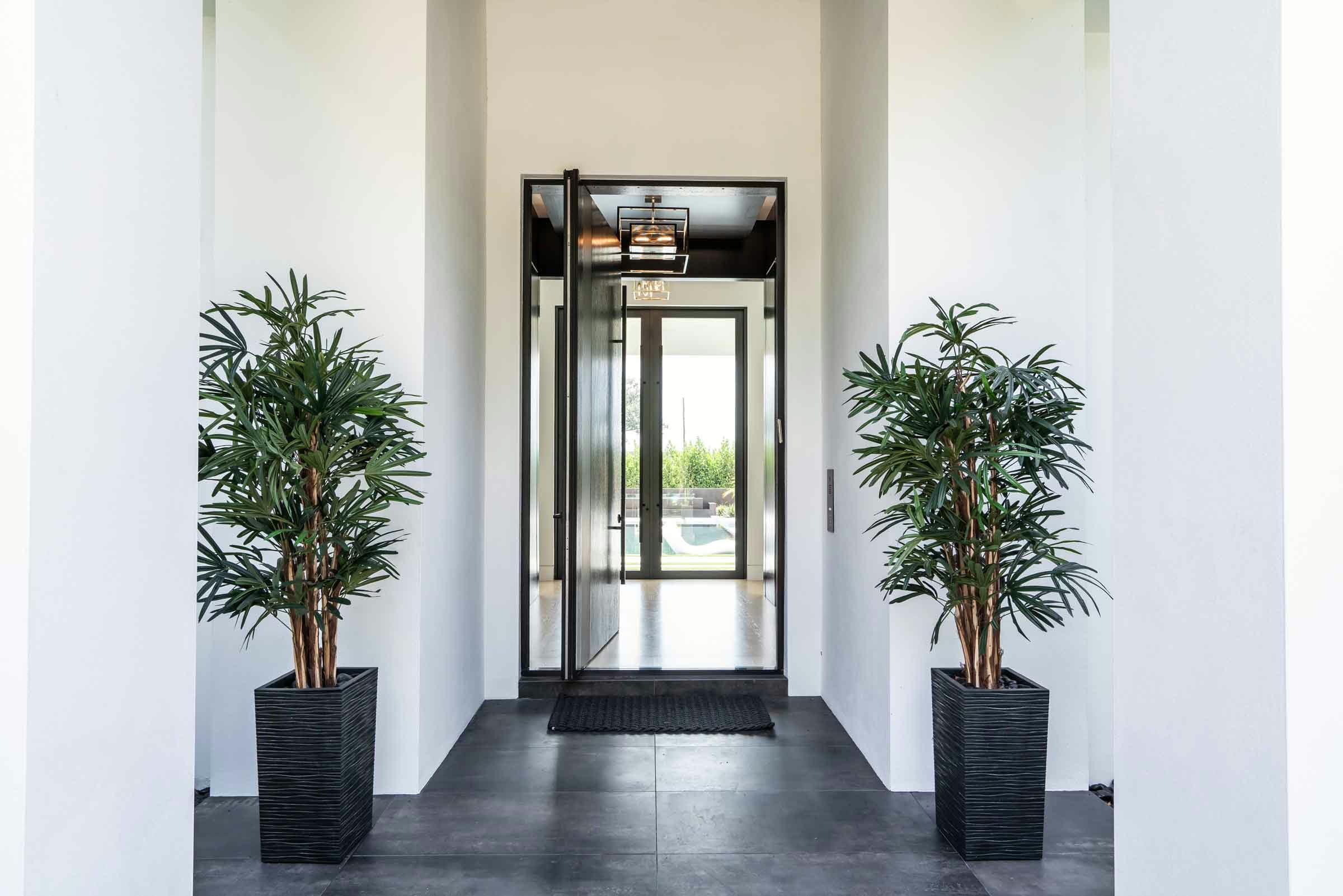
This design-forward entry door rotates on a pivot point rather than swinging traditionally when opened and closed.
How Pivot Door Hinges Work
The location and position of the pivot hinge allows pivot doors to be heavier than traditional entry doors. Pivot door hinges are installed on the top and bottom of the door, instead of the side. A traditional entry door hangs on standard butt hinges or concealed hinges attached to one side of the frame. Too much weight or door width can cause that kind of door to sag over time.
This distributes weight very differently. The weight moves through the pivot hinge and into the floor, without putting strain on the fasteners or frame. This allows them to support larger and heavier slabs than a standard hinge system safely can.
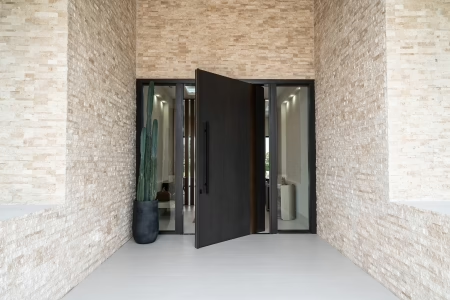
The Visual Difference of a Pivot Door
The door rotates on a vertical axis, so its movement looks very different from a traditional entry door. We typically install the pivot hinge at 20% of the door width from the edge of the door. This offset creates a distinct visual effect: the shorter section swings in for an outswing door, and out for an inswing door, giving the entry a unique, architectural feel every time it opens.
Why Homeowners and Architects Choose Pivot Doors
Beyond their engineering advantages, this door style has become a signature feature in modern and contemporary architecture. Their flush, hardware-minimal profile allows the door itself to become part of the architectural statement, rather than just a functional opening. For oversized entries where a standard hinged door wouldn’t hold up long-term, a pivot system offers both the strength and the visual drama the space calls for.
Get Started With Your Pivot Door Project
Have questions or want to discuss your project with our team? Contact a team member and let us help you integrate this door style into a residential or commercial application.Visit our gallery page for more unique designs.